
Empathy doesn’t arrive fully formed. It begins in subtle, almost invisible ways through eye contact, tone of voice, and the earliest emotional exchanges between a child and their caregiver. Long before children can explain how someone else feels, they begin absorbing emotions through their environment. This early stage is where the seeds of empathy are planted, often through comfort, imitation, and connection.
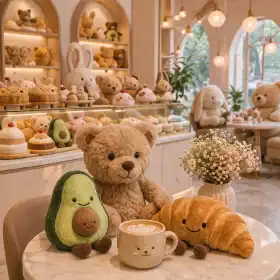
In this delicate developmental window, objects that offer emotional safety can play a surprisingly meaningful role. Among these, Jellycat stuffed animals often become a child’s first companion. They don’t interrupt, judge, or demand. Instead, they quietly sit beside children as they begin to understand feelings both their own and those of others.
The Emotional Role of Soft Companions
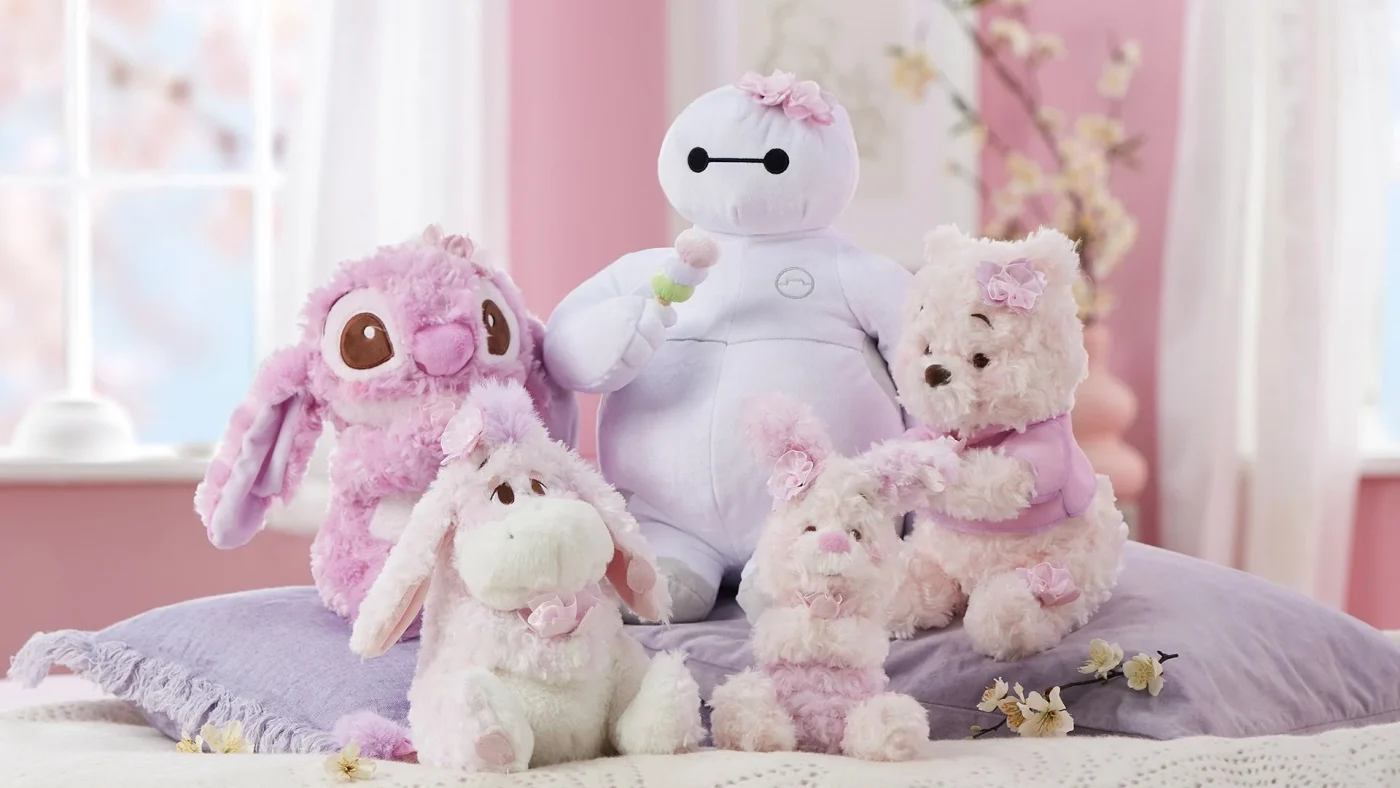
Cute Stuffed Animals are more than just toys. For many children, they become emotional anchors, offering familiarity and stability. Psychologists often refer to these as “transitional objects,” helping children bridge the gap between dependence and independence. When a child hugs a plush toy during moments of stress, they are practicing emotional regulation.
This connection creates a safe space where feelings can be explored without fear. A child may whisper secrets, express sadness, or project joy onto their stuffed companion, mirroring real emotional exchanges.

Understanding Empathy Through Play
Empathy involves recognizing and responding to the emotions of others. For young children, this skill develops through observation and play. Pretend play allows children to imagine different perspectives and emotional situations.
Simple acts like feeding or comforting a toy reflect a child’s growing sense of compassion. Over time, this imaginative play becomes a rehearsal for real-world empathy.
The Science Behind Emotional Attachment
Research shows that emotional bonds with objects can support social development. When children assign feelings to stuffed animals, they engage in “anthropomorphism,” making emotions easier to understand.
These interactions activate similar brain pathways used in real relationships, meaning empathy practiced with Jellycat Stuffed Animals can translate into real emotional understanding.
Modeling Care and Compassion
Children learn empathy by observing others. When caregivers demonstrate kindness, children mirror those actions. Even simple suggestions can encourage caring behavior.
Over time, these behaviors become instinctive, forming the foundation of empathy.

The Language of Feelings
Stuffed animals help children develop emotional vocabulary. By projecting feelings onto toys, children begin identifying emotions in a safe way.
This process allows children to express feelings without overwhelm, strengthening their ability to empathize.
Comfort in Solitude
Stuffed animals often provide comfort during moments of solitude. Their presence reduces anxiety and offers reassurance when caregivers aren’t nearby.
This helps children develop self-compassion, an important step toward understanding others.
Imagination as an Emotional Tool
Imaginative play allows children to explore emotional scenarios safely. A stuffed animal may become a friend in need or a character facing challenges.
These experiences help children practice kindness and understanding in a low-risk environment.

Social Skills Begin in Small Moments
Empathy develops through small daily interactions. Stuffed animals often act as the starting point for these behaviors.
Practicing care with toys helps children understand responsibility and consideration.
The Role of Repetition in Learning Empathy
Repeated caring actions reinforce emotional understanding. Feeding, comforting, and protecting toys strengthen empathy over time.
These repeated behaviors become natural responses, shaping how children interact with others.
When Stuffed Animals Become Storytellers
Children often use toys to create stories, exploring emotions and relationships through imagination.
This storytelling deepens their understanding of feelings and emotional responses.

Emotional Safety and Trust
Stuffed animals provide consistency and emotional safety. Their reliability helps children feel secure.
This sense of safety encourages emotional exploration and empathy.
The Transition to Real-World Relationships
As children grow, empathy practiced in play transfers to real-life relationships.
This gradual shift shapes how they treat others with care and understanding.
Cultural and Generational Perspectives
Stuffed animals have remained a constant across cultures. Their role in emotional development is universal.
They reflect the shared human need for comfort and connection.
Are Stuffed Animals Enough on Their Own?
While helpful, stuffed animals cannot replace human interaction.
They work best alongside real relationships to support emotional development.

A Gentle Presence in Modern Childhood
In today’s fast-paced world, stuffed animals offer a moment of calm and emotional connection.
They allow children to engage with feelings without distraction.
The Lasting Impact of Soft Companions
Many adults remember a favorite plush toy from childhood, highlighting their emotional significance.
These early experiences contribute to lifelong empathy.

Final Thoughts
Stuffed animals create opportunities for emotional growth. They allow children to explore empathy naturally.
These quiet interactions form the building blocks of understanding and compassion.
FAQs
Where can I buy Jellycat stuffed animals?
You can buy them from Jellycat’s own store, the stockists it lists, and independent shops such as A Flying Wish. They are widely available in gift stores and baby shops. Many sites also offer themed collections like Amuseables.
What is a Jellycat stuffed animal?
A Jellycat stuffed animal is a premium plush toy known for its softness, unique designs, and high-quality materials. Originating from London, the brand creates both classic and quirky collectible plush toys.
Are Jellycat stuffed animals safe for babies?
Many are safe from birth, but always check product labels for age recommendations. Avoid placing plush toys in cribs unattended. They are made with tested materials but still require supervision.
Why are Jellycat toys so popular?
They are loved for their softness, creative designs, and wide variety of characters. Their unique and playful style makes them appealing to both kids and adults.
Are Jellycat stuffed animals worth buying?
Yes, they are durable, soft, and emotionally comforting. Many people keep them for years, making them valuable both as toys and keepsakes.
Can stuffed animals help with anxiety or stress?
Yes, they provide comfort through their softness and familiarity. Hugging a plush toy can have a calming effect, though emotional support from caregivers remains essential.
Can empathy learned in childhood last into adulthood?
Yes, early emotional experiences shape long-term empathy. Skills learned through play and interaction continue to influence relationships later in life.