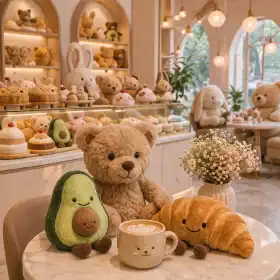
In a world shaped by constant notifications, academic pressures, financial uncertainties, and relentless digital overload, many members of Gen Z have been redefining what self care truly means. It extends far beyond skincare routines, productivity hacks, or wellness apps. Instead, self care has taken on a deeply emotional, sensory, and highly personal dimension.
One of the more unexpected yet widespread developments in this evolution is the growing role of plush toys as sources of emotional comfort. Long associated primarily with childhood, plush toys are increasingly embraced by young adults as quiet companions that support emotional well being amid the demands of adult life. Soft, familiar, and undemanding, they offer a form of grounding presence in an environment that can often feel fast paced and overwhelming.
A Generation Redefining Comfort and Self-Care
Gen Z has come of age in a highly digital and fast connected world. While technology has delivered unprecedented convenience and access to information, it has also contributed to heightened emotional fatigue, anxiety, and experiences of burnout for many. This reality has prompted a noticeable shift in how comfort is understood and pursued.
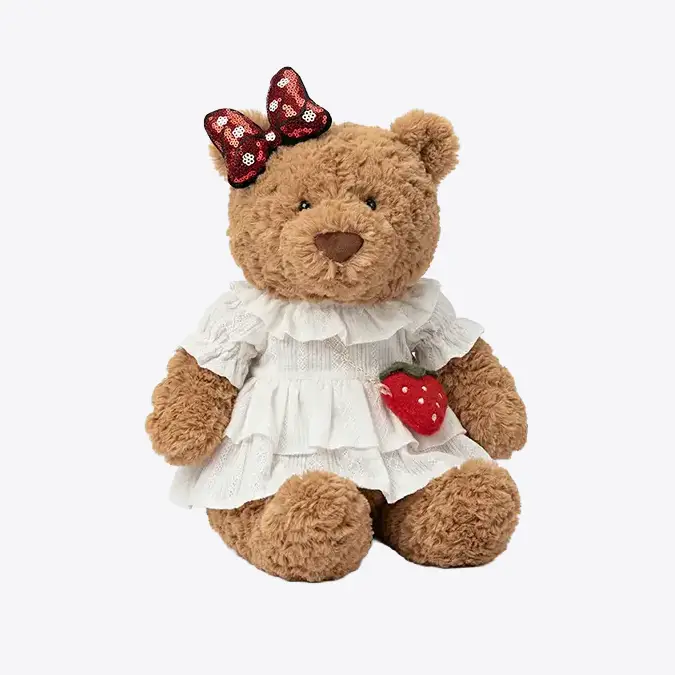
Previous generations often associated selfcare with external or social activities, going out with friends, engaging in hobbies outside the home, or taking occasional breaks from routine. In contrast, a significant portion of Gen Z has turned inward, seeking comfort that feels personal, quiet, and emotionally restorative. Within this redefined approach, plush toys provide something straightforward: silent, consistent emotional support. They ask for nothing in return, no responses, no performance, and no maintenance.
Why Softness Has Become Emotionally Powerful
The attraction to plush toys goes well beyond their visual appeal; it has clear psychological and sensory dimensions. Human beings are naturally drawn to soft textures, which many find soothing. Gentle tactile experiences can help promote relaxation and reduce stress levels.
Plush toys amplify this effect by combining pleasant tactile sensations with symbolic elements of innocence, safety, and familiarity. For many young adults navigating adult responsibilities, these objects serve as reminders of emotional security that can feel distant in daily life.
This is why plush toys frequently appear in bedrooms, study areas, workspaces, and even travel bags. They function as subtle emotional anchors during moments of pressure, offering a quiet form of presence when other forms of support may not be immediately available.
From Childhood Memory to Adult Emotional Tool
For decades, societal norms encouraged people to “grow out of” items like plush toys as they entered adulthood. However, many in Gen Z are thoughtfully challenging this expectation. Instead of setting aside childhood comfort objects, they are integrating them into adult routines as practical tools for emotional regulation.

Today, a plush toy can symbolize different things depending on the individual: a source of reassurance during periods of anxiety, a grounding element amid burnout, or a familiar presence in new or uncertain environments. This reflects growing emotional intelligence and awareness of mental health needs.
Social Media and the Rise of Cozy Aesthetics
Social media platforms have played a substantial role in bringing plush toys into broader conversations about self care. On TikTok and Instagram, “cozy living” aesthetics have gained significant traction, frequently featuring soft objects in calming spaces.

The “soft life” concept has also resonated widely. This approach prioritizes emotional ease, reduced pressure, and a gentler pace over constant hustle. Plush toys align naturally with this philosophy, representing calmness and comfort both visually and physically.
The Role of Premium Plush Toys in This Movement
Interest has grown in higher quality plush toys that emphasize superior softness, durability, and imaginative design. These premium options are often chosen with intention, allowing for stronger emotional connections and long-term comfort.
Plush Toys as Everyday Emotional Support

Daily life often includes ongoing stress, from deadlines to social expectations. In response, plush toys and Amuseables have quietly become part of how individuals manage these pressures.
Some hold them during study sessions, others keep them nearby while sleeping, and many simply enjoy their presence in a room. Their simplicity is their strength. They are always available and require no effort to provide comfort.
The Rise of Collectible Plush Culture
At the heart of this movement is accessibility to high quality plush toys. A Flying Wish sits in that space, selling plush it buys outright alongside its own handmade outfits.
Many people now build collections where each plush toy serves a unique emotional role. Some are associated with relaxation, others with travel or stress relief, and some simply bring joy through their design.
Plush Toys and the “Soft Life” Philosophy
The rise of the “soft life” mindset reflects a broader cultural shift toward balance and emotional well being. Jellycat toys fit seamlessly into this perspective, offering a physical representation of softness and calm.

They act as gentle reminders to slow down and embrace comfort without guilt, reinforcing a healthier, more sustainable approach to self care.
How to Choose a Plush Toy for Emotional Comfort
Selecting a plush toy for selfcare has become more intentional. Factors such as softness, size, durability, and emotional appeal all play a role in making the right choice.
The best options are those that create a genuine sense of connection, making them feel like a natural and comforting presence in daily life.
The Future of Plush Toys in Wellness Culture

As awareness of mental health continues to grow, simple tools for emotional regulation, like plush toys, are likely to become even more integrated into everyday routines. Their ability to provide comfort in a fast paced world ensures their lasting relevance.
Conclusion
Plush toys have moved far beyond childhood nostalgia. For many in Gen Z, they represent emotional support, stress relief, and intentional comfort. In a world defined by speed and pressure, choosing softness is not regression. It is a thoughtful and necessary adaptation.
FAQs
Why do adults, especially Gen Z, use plush toys for self care?
They provide emotional comfort, reduce stress, and offer a non digital way to relax in an overwhelming environment.
What makes premium plush toys different?
They are made with higher quality materials, offer better softness, and are more durable, enhancing emotional attachment.
Are plush toys a trend or a real mental health tool?
They are increasingly recognized as emotional support tools used in self care and stress management practices.
How do plush toys help with sleep?
Their softness and familiarity create a calming effect, helping individuals relax and fall asleep more easily.
Why are plush toys trending on social media?
They align with “cozy” and “soft life” aesthetics that promote comfort and emotional well being.
What should I consider when buying one?
Focus on softness, quality, size, and how emotionally comforting the design feels to you.