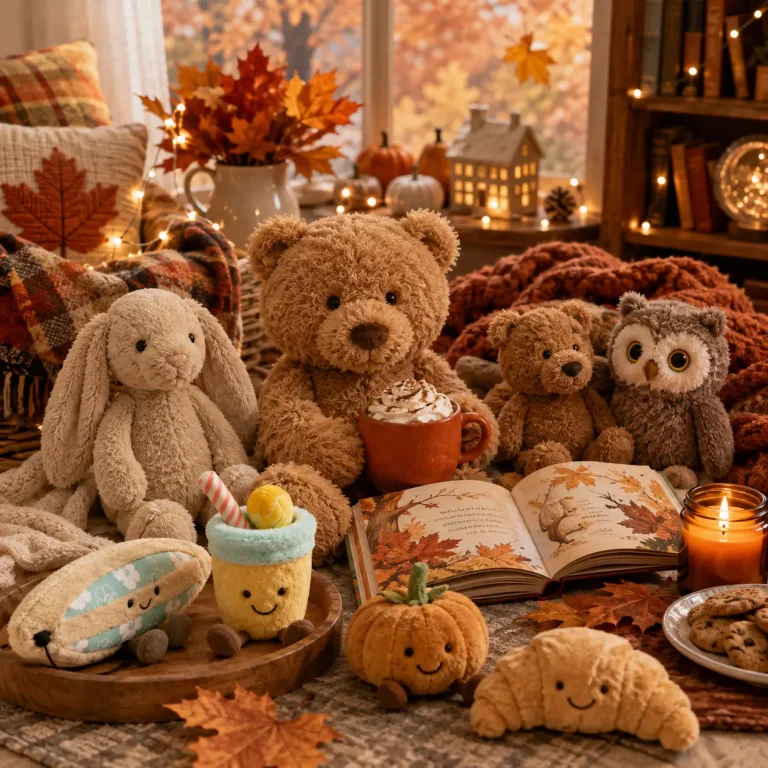
Welcoming a newborn into your life reshapes the way you look at everything around you. The simplest objects begin to carry new meaning, and decisions that once felt effortless now come with a quiet sense of responsibility. Among these are plush toys, soft, sentimental, and often gifted with the best intentions. Yet when it comes to newborns, comfort alone is never enough; safety becomes the lens through which every choice is made.
It’s easy to see why Jellycat plush toys have become a favorite for new parents. Their cloud-like softness and gentle, character-driven designs create an immediate sense of warmth and calm. They don’t just sit on a shelf; they feel like companions from the very beginning. But even with their reassuring appeal, introducing any plush toy into a newborn’s world requires a thoughtful approach. Understanding how safety truly works at this delicate stage helps transform a simple gift into something that is not only comforting but also responsibly chosen and carefully used.
What “Safe for Newborns” Really Means
Many parents feel a sense of relief when they see a label that says “suitable from birth.” It sounds definitive, almost like a guarantee. And while it does signal that a product has passed important safety checks covering materials, stitching, and overall construction, it doesn’t mean the item is safe in every situation or for unrestricted use.
In reality, newborn safety is far more complex and situation-based. It isn’t defined by a label alone, but by the context in which a product is used. Even a well-made toy can become a concern if it’s placed in the wrong environment or used without supervision. For newborns, safety is not just about what something is made of; it’s about how thoughtfully it becomes part of their world.

Why Jellycat Plush Toys Are So Popular
There is a reason Jellycat toys are so widely loved. Their textures are exceptionally soft, their designs are calm and non-overstimulating, and their overall feel is gentle enough for delicate environments like nurseries. Many designs also use embroidered features instead of hard plastic components, which reduces the risk of small parts becoming a hazard.
These thoughtful details make them feel like a natural choice for babies. Still, even the most carefully designed toy does not replace the need for mindful use. Safety always depends on how the toy is introduced and managed in a newborn’s space.
The Most Important Safety Factor: How the Toy Is Used
When it comes to newborns, the greatest risk is not the toy itself, but how it interacts with the baby’s environment. Newborns are unable to move objects away from their faces or adjust their position if something becomes obstructive. This means they rely entirely on their surroundings to remain safe.
Even a soft plush toy can become a concern if it shifts too close during rest. The issue is not hardness or softness, it is airflow and positioning. This is why safety guidance consistently emphasizes supervision and environment over the object itself.
Why Plush Toys Should Never Be in the Sleep Area
One of the most important principles of newborn care is maintaining a completely clear sleep space. Cribs and bassinets should remain free from any soft objects, including plush toys, pillows, or blankets.
While a plush toy may seem harmless, it can move during sleep and come into contact with a baby’s face. Since newborns cannot reposition themselves, even a small obstruction can interfere with breathing. A clear sleep environment removes this risk entirely and provides the safest possible conditions for rest.

Safe Ways to Introduce Plush Toys
Plush toys can still be part of your baby’s early world, but their presence should be intentional rather than constant. During supervised moments such as feeding, holding, or calming routines, a soft toy can be nearby without creating risk.
They can also be used as decorative elements within the nursery. Placing them on shelves or in designated areas keeps them visible and meaningful, without placing them within the baby’s immediate reach.
When Babies Can Start Interacting with Plush Toys
In the earliest months, babies benefit far more from human connection than from objects. Eye contact, voice, and touch play a central role in their development. Plush toys begin to have more value as a baby grows and becomes more aware of their surroundings.
Around the middle of the first year, babies start reaching, grasping, and exploring textures. At this stage, soft toys can gradually become part of their sensory experience. By the time they approach their first birthday, most children have enough motor control to interact with plush toys more safely and independently.
Choosing the Safest Type of Plush Toy
Simplicity is one of the most important factors when selecting a plush toy for a newborn environment. Designs that are small, lightweight, and free from extra features tend to be the safest.
Toys without buttons, accessories, or complex attachments reduce the chances of potential hazards. A simpler toy is also easier to manage during supervised interactions.
Fabric and Skin Sensitivity Considerations
Newborn skin is extremely delicate, and even soft materials can sometimes irritate. It is important to introduce any plush toy gradually and observe how the baby responds.
Washing a toy before first use removes residues and ensures it is clean before contact with sensitive skin.
Hygiene: An Often Overlooked Safety Factor
Cleanliness plays a significant role in maintaining a safe environment for newborns. Plush toys can collect dust, allergens, and bacteria over time.
Regular cleaning reduces risks and keeps the toy suitable for supervised use.

Explore Ways to Wash Jellycats
Gentle Plush Toy Choices for Early Months
Many parents prefer smaller Jellycat bunnies in soft pastel shades. These are lightweight, easy to cuddle, and simple in design.
Some families also choose smudge rabbits or foxes due to their minimal structure and comforting texture.
At A Flying Wish, we believe the best plush toys grow with your child, focusing on safety and softness from the beginning.
The Emotional Side of Plush Toys
Plush toys often carry emotional meaning, but safety should always come first during the newborn stage. Their role can evolve gradually from decorative to comforting as the child grows.

A Thoughtful Journey of Comfort and Growth for New Parents
Jellycat plush toys are widely trusted for their gentle appeal. They can be part of a baby’s early world, but their role naturally evolves over time.
In the earliest months, nothing replaces a parent’s warmth and presence. As the child grows, these soft companions can gradually become part of play and comfort in a safe and meaningful way.
FAQs
Can a newborn sleep with a Jellycat plush toy?
No, newborns should not sleep with plush toys due to suffocation risks.
Are Jellycat toys made from safe materials?
Yes, but safe materials do not eliminate risks from improper use.
When can a baby hold a plush toy?
Usually under supervision in early months, but independent use is safer after 6 to 12 months.
Do plush toys help development?
Human interaction is more important early on; toys become useful later.
How often should I clean them?
Before first use and regularly afterward.
What is the safest type?
Simple, lightweight, and feature-free designs.
Can they be kept in the nursery?
Yes, but only as décor and not in the sleep area.