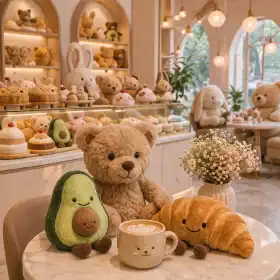
From Humble Beginnings to Worldwide Obsession
In the late 1990s, two London-based designers had a simple idea: create the softest, most huggable plush toys the world had ever seen. Little did they know that their small company, Jellycat, would grow into a cultural phenomenon, adorning nursery shelves, brightening adult workspaces, and even making cameos in celebrity Instagram posts.
But how did a brand that started with just a handful of stuffed animals become the name in luxury plush toys? Why do Jellycats inspire such fierce loyalty, with fans camping out online for new releases and trading retired designs like rare baseball cards?
The answer is a fascinating mix of brilliant branding, obsessive craftsmanship, and a deep understanding of human emotion. This is the untold story of Jellycat’s rise to fame, and why these plushies mean so much more than “just toys.”
The Secret Sauce Behind Jellycat’s Success
1. The Psychology of Softness: Why We Can’t Resist Them
Neuroscientists have found that touching something soft triggers the release of oxytocin (the “love hormone”) in our brains. Jellycat didn’t just stumble upon this. They engineered it.
- Their Bashful line uses a proprietary blend of silky-soft fur
- The Smudge collection mimics the feel of a baby’s security blanket
- Even their quirky Amuseables (like the giggle-inducing Avocado) are designed for maximum squeezability
This isn’t accidental; it’s emotional design at its finest.
2. The Art of Whimsy: How Jellycat Redefined Cute
While other toy companies chase trends, Jellycat created their own universe where:
- Bunnies wear floral patterns (Bashful Blossom)
- Toast slices have smiling faces (Amuseable Toast)
- Dinosaurs look adorably huggable (Fuddlewuddle Dino)
This signature style, equal parts nostalgic and contemporary, makes Jellycats instantly recognizable.
3. Genius Marketing: Creating Collectors, Not Just Customers
Jellycat mastered strategies usually seen in luxury fashion:
- Limited editions (like seasonal bunnies) create urgency
- Retiring designs turns plushies into coveted collectibles
- Subtle branding (just a small tag) lets the product shine
The result? A secondary market where rare Jellycats sell for hundreds.
The Unexpected Cultural Impact of Jellycat
1. Therapy Tools in Disguise
- Used by occupational therapists for sensory processing disorders
- Recommended by psychologists for anxiety and dementia patients
- Adopted by universities as “stress buddy” programs during exams
2. The Rise of Plushie Aesthetics
Jellycats have spawned entire social media trends:
- #JellycatJungle, Showcasing massive collections
- Shelfies, Artistic displays of plush arrangements
- Unboxing videos with millions of views
3. Celebrity Endorsements (Without Trying)
From Taylor Swift’s rumored Bashful Bunny collection to Emma Watson’s spotted Cordy Roy Fox, Jellycats have quietly become the plushie of choice for A-listers who want comfort without childishness.
Why Jellycat is More Than a Toy Company
What makes Jellycat truly special isn’t just their products. It’s the community they’ve built:
- Adult collectors trade care guides for preserving plushies
- New parents hunt down the same Jellycat they had as children
- Artists customize and repurpose retired designs
In an age of disposable consumerism, Jellycat has created something rare: objects that are meant to be loved for decades.
The Future of Jellycat: What’s Next?
With rumors of collaborations with high-end designers and whispers about interactive tech-enhanced plushies, one thing’s certain: Jellycat isn’t resting on its laurels. But no matter how they evolve, their core magic will remain, the ability to create soft companions that, against all odds, become irreplaceable parts of our lives.
Discover why millions have fallen in love at A Flying WishWhere every Jellycat has a story waiting to unfold.
FAQs
What is Jellycat and why is it so popular?
Jellycat is a luxury soft toy brand known for its ultra-soft plush animals and creative designs. It is popular because of its premium quality, unique characters, and emotional comfort appeal for both kids and collectors.
Where are Jellycat toys made?
Most Jellycat toys are designed in London, UK, and manufactured in carefully selected factories in Asia under strict safety and quality standards to ensure premium softness and durability.
Why is Jellycat so expensive compared to other plush toys?
Jellycat toys are more expensive due to high-quality materials, detailed craftsmanship, safety testing, and unique design concepts that make them stand out from regular stuffed toys.
Are Jellycat plush toys collectible?
Yes, many Jellycat plush toys are highly collectible. Limited editions, retired designs, and seasonal releases often become rare and increase in demand among collectors worldwide.
What is the most famous Jellycat toy?
The Bashful Bunny is one of the most iconic and best-selling Jellycat designs, loved for its soft texture, long ears, and timeless appeal across all age groups.
Are Jellycat toys safe for babies and children?
Yes, Jellycat toys are safety tested and meet international standards. However, parents should always check age recommendations on specific products before giving them to infants.
Do Jellycat toys increase in value over time?
Some retired or limited-edition Jellycat toys can increase in resale value due to rarity and collector demand, especially discontinued Amuseables and seasonal releases.