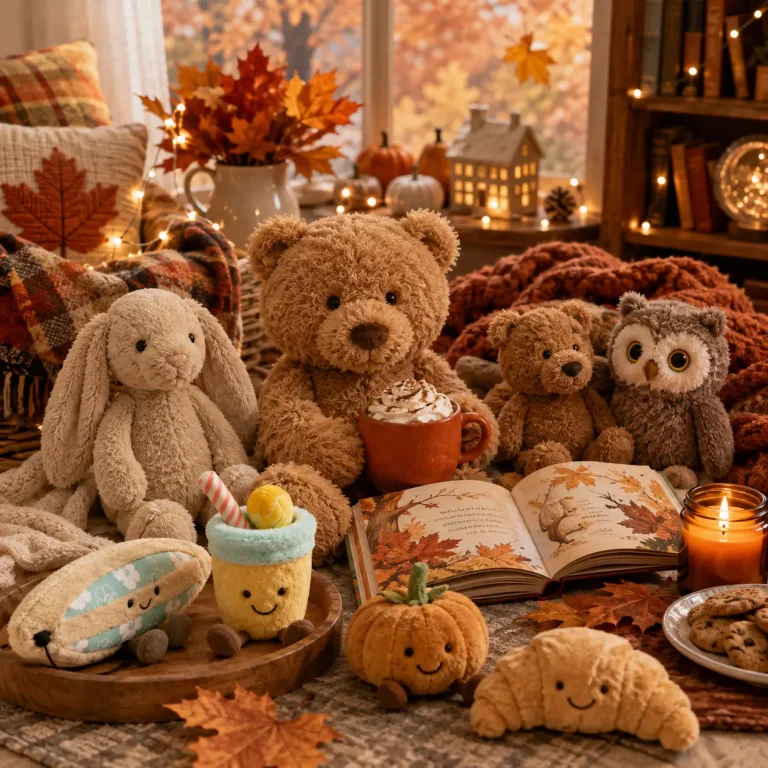
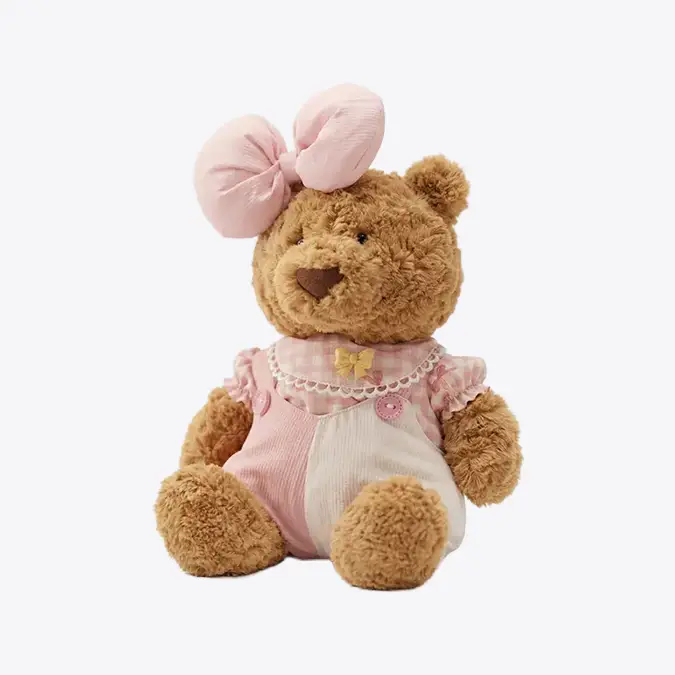
In 2026, styling plush toys has quietly become part of modern aesthetics. What was once seen as a simple childhood habit has evolved into a creative, calming, and highly visual form of expression. Among plush companions, Jellycat toys stand out for their softness, expressive simplicity, and versatile shapes. This has naturally led to a growing interest in one very specific question: how do you choose the right clothes for them?
Unlike human fashion, plush styling has its own logic. It is less about strict measurements and more about proportions, character shape, and aesthetic balance. Understanding how to choose Clothes for Jellycat toys helps turn a simple plush into a styled companion that feels intentional, expressive, and visually complete.
Why Sizing Matters in Plush Styling
At first glance, dressing a plush toy might seem straightforward. However, anyone who has tried it knows that fit plays a major role in how the final look appears. Clothes that are too loose can overwhelm the toy’s shape, while outfits that are too tight can lose their softness and charm.
Jellycat toys come in a wide variety of sizes and forms, some tall and slender, others round and compact. Because of this diversity, clothes for Jellycat plush cannot follow a single universal sizing system. Instead, they rely on observation, adjustment, and creativity.
Sizing matters not just for practicality but also for aesthetics. A well-fitted outfit enhances the toy’s personality. It brings out its character and makes it feel more alive in a visual sense.
Understanding Jellycat Size Categories
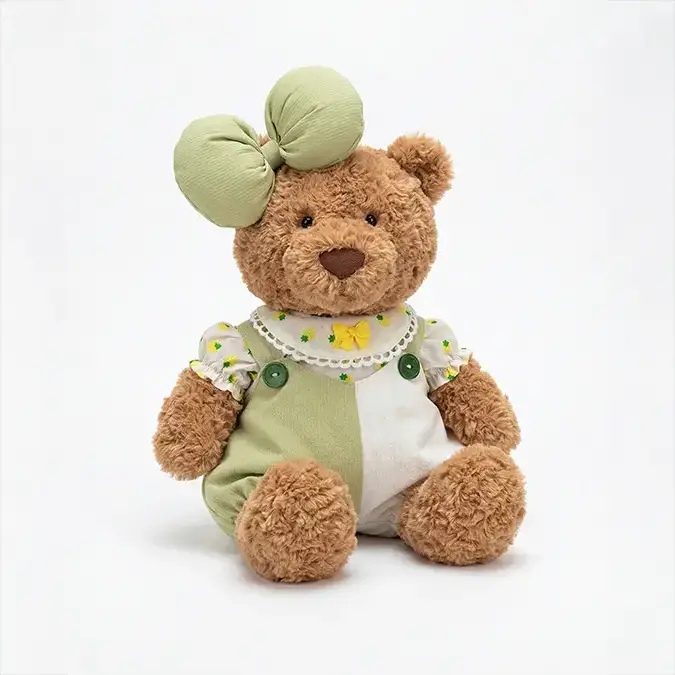
While Jellycat does not follow a standardized clothing size chart like human fashion brands, plush toys can generally be grouped into a few size categories. These categories help in selecting suitable outfits and understanding proportions.
Small plush toys are typically handheld and compact. They are often used as decorative companions or travel-sized plushies. Because of their size, they work best with minimal outfits such as tiny tops, simple dresses, or lightweight accessories.
Medium-sized plush toys are the most versatile. They have enough surface area to wear layered outfits without losing their shape. This category is where most styling creativity happens. Clothes for Jellycat plush in this range can include sweaters, shirts, skirts, and themed outfits.
Large plush toys offer a more dramatic styling experience. Their size allows for detailed clothing pieces, but balance is key. Overly heavy outfits can hide their softness, so lighter fabrics and simple designs tend to work best.
The Importance of Proportion Over Precision
Unlike human clothing, plush toy styling is not about exact measurements. Instead, it is about proportion. This is one of the most important concepts when selecting clothes for Jellycat toys.
Proportion refers to how the outfit visually interacts with the toy’s body. A slightly oversized sweater might look cozy and relaxed on one plush, while a fitted dress might highlight another’s shape.
This flexibility is what makes plush styling so appealing. There is room for interpretation. An outfit does not have to be perfect in size. It just needs to feel visually balanced.
Common Fit Challenges and How They Work Creatively
One of the interesting aspects of dressing Jellycat plush toys is that imperfect fits are often part of the charm. Because these toys were not originally designed with clothing in mind, their shapes vary widely.
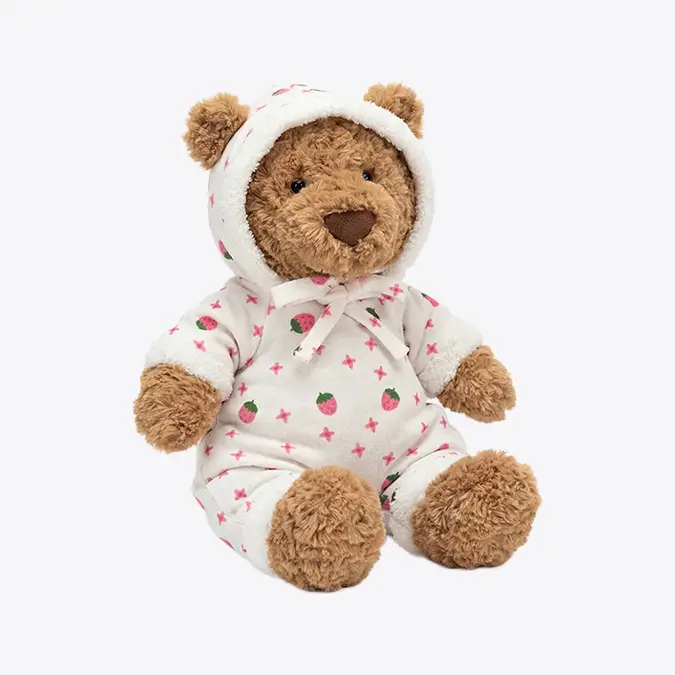
Sometimes sleeves may be slightly long, or dresses may sit loosely. Instead of seeing this as a limitation, many people embrace it as part of the aesthetic. A slightly oversized hoodie, for example, can make a plush toy look even more relaxed and cozy.
Loose fits can also create a layered, soft aesthetic that feels modern and visually pleasing.
Fabric Choices and Their Visual Impact
When selecting clothes for Jellycat Stuffed Animals & Jellycat Amuseables, fabric plays an equally important role as size. Soft, lightweight materials tend to work best because they maintain the toy’s natural feel.
Knitted fabrics, cotton blends, and soft fleece are commonly used in plush styling because they complement the texture of Jellycat toys. These materials enhance the sense of comfort and warmth.
Heavier fabrics can also be used, but they need to be balanced carefully. The goal is always to preserve the gentle aesthetic that Jellycat toys are known for.
How Different Jellycat Shapes Affect Clothing Fit
Jellycat toys come in many shapes, which significantly affects styling.
Rounder plush toys often suit loose, cozy outfits that drape naturally. Elongated designs can carry more structured outfits with ease. Character-based plush toys may require more creative adjustments, especially around limbs or unique features.
This variety makes styling more experimental and expressive, turning each plush into a unique fashion canvas.

Seasonal Styling and Its Influence on Fit
Seasonal styling also changes how size is perceived. In winter, layered outfits like sweaters and scarves make plush toys appear fuller and more bundled. In summer, lighter outfits create a more minimal, airy look.
Even though the toy’s size does not change, clothing transforms its visual presence. This makes styling feel dynamic and ever-evolving throughout the year.
The Role of Personal Aesthetics in Styling
Choosing clothes for Jellycat toys is not just about fit. It is about personal taste. Some people prefer minimalist styling, while others enjoy playful layering.
There are no strict rules. A slightly oversized outfit can feel cozy and relaxed, while a tailored piece can feel neat and intentional. The same plush toy can take on completely different personalities depending on how it is styled.
Display vs Everyday Interaction
How a plush toy is used also influences clothing choices. Display-focused styling allows for more detailed outfits since the toy remains in one place. Interactive styling requires flexibility and easy changes.
Understanding this helps in selecting outfits that are both practical and visually appealing.
Why This Trend Continues to Grow
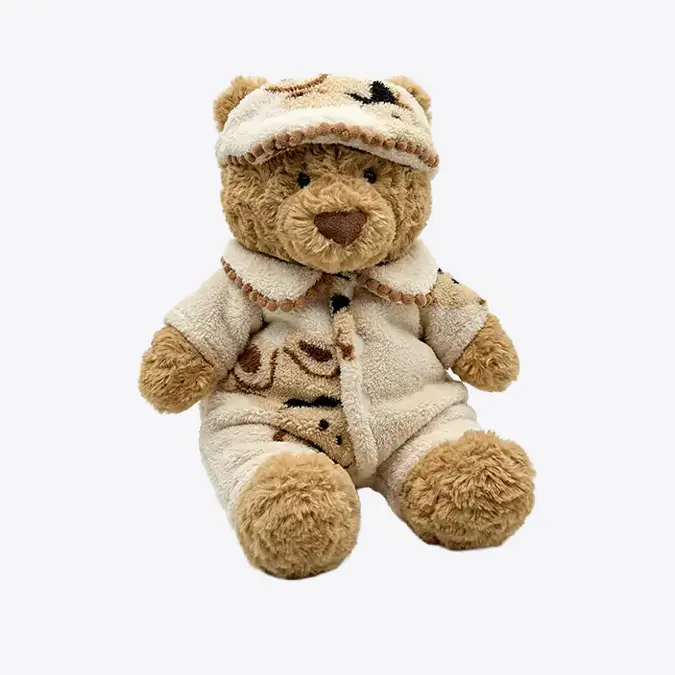
The popularity of clothes for Jellycat toys reflects a larger cultural shift toward comfort, creativity, and personalization. People are increasingly drawn to small, meaningful forms of expression.
Plush styling offers a simple yet satisfying way to engage with aesthetics. It encourages creativity without pressure, making it accessible to almost anyone.
Final Thoughts
Understanding Jellycat clothing sizes is less about strict measurements and more about creativity and proportion. Each plush toy offers a unique shape that can be transformed through thoughtful styling.
In a world where aesthetics and emotional comfort matter more than ever, dressing plush toys has become a quiet but meaningful form of expression. It blends imagination with simplicity, turning everyday objects into personal stories.
FAQs
Do Jellycat toys have official clothing sizes?
No, Jellycat toys do not follow official clothing sizes. Instead, clothes are chosen based on the toy’s shape, height, and proportions.
What size clothes fit most Jellycat plush toys?
Medium-sized Jellycat plush toys are the most versatile and can fit a wide range of outfits, including sweaters, dresses, and lightweight layers.
Can clothes for Jellycat toys be adjusted if they don’t fit perfectly?
Yes, many outfits are flexible. Oversized fits, rolled sleeves, or layered styling are commonly used to adjust clothing creatively.
What fabrics work best for Jellycat clothes?
Soft fabrics like cotton, knitwear, and fleece work best because they maintain the plush toy’s softness and aesthetic appeal.
Are clothes for Jellycat toys different for each character?
Yes, different Jellycat designs have different shapes, so clothing may fit differently depending on whether the toy is round, tall, or character-shaped.
Can I use real baby clothes for Jellycat toys?
In some cases, small baby or doll clothes can fit medium or large plush toys, but adjustments are usually needed for better proportion.
Why is plush styling becoming so popular?
Plush styling is popular because it combines creativity, comfort, and self-expression in a simple, relaxing, and highly aesthetic way.