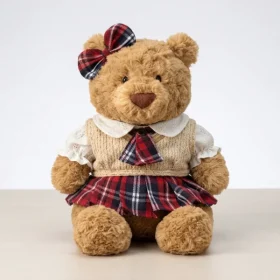

Jellycat Plushies were once something we were expected to “grow out of.” A quiet childhood phase left behind with bedtime stories and night-lights. Yet today, scroll through TikTok, walk into a dorm room, or peek at a cozy bedroom in the UK or the United States, and you’ll spot something unexpected: plushies proudly displayed by teens and young adults. Not hidden away. Not ironic. Fully embraced.
At the heart of this shift is Jellycat, a brand that somehow transformed soft toys into emotional anchors for a generation navigating stress, burnout, digital overload, and constant pressure to keep up. These aren’t just cuddly objects anymore. Jellycat plushies have become symbols of comfort, self-expression, and quiet reassurance in a fast-moving world that rarely slows down.
So how did a once child-centric product cross age boundaries and become a go-to comfort gift for older audiences? What psychological needs, cultural changes, and modern lifestyle trends helped Jellycats rise from toy shelves to social feeds, dorm beds, and heartfelt gift lists? Let’s unpack the real reasons behind this plushie phenomenon through research, cultural insight, and real-world observation, and discover why these soft companions now mean so much more than they ever did before.
The Origins of Jellycat: A Creative Twist on Comfort
Jellycat began in London with one clear purpose in mind: combining creative design and unique softness to create plush toys unlike anything else on the market. The quirky personalities of the Bashful Bunnies, the unusual animals, and the playful everyday fantasy objects shaped a strong brand identity built on charm and character rather than traditional toy design. People often choose Jellycats as baby gifts and treasured childhood keepsakes. The unique design language, which is based on texture and personality, created the groundwork that would find wider audiences in the future. As the brand expanded, collectors and gift-buyers started to appreciate such plushies as emotional souvenirs as opposed to toys.
The “Aesthetic” Factor: Why Jellycats are Interior Design Goals
In today’s Pinterest-inspired, Clean Girl culture, Jellycats no longer belong on the floor and instead find their place displayed on thoughtfully curated gallery shelves. As opposed to the classic neon-colored toys, Jellycat has an advanced and dull colour scheme consider sage greens, dusty pinks, and oatmeal creams.
These Jellycat stuffed animals blend beautifully into modern, contemporary homes and thoughtfully complement a refined home aesthetic. Whether it is an Amusable Coffee bean beside an expensive-looking espresso machine or a Bashful Bunny hidden in a bed of linen, they are dopamine decor. Jellycat is not just a toy for teens and young adults but a designed item that helps to create a living environment that is purposeful, comfortable, and uniquely themed.
Emotional Comfort as a Core Appeal
What truly sets Jellycat plushies apart for teenagers and young adults is the sense of emotional comfort they provide, a need that feels especially important in today’s fast-paced world, where people face constant stress and pressure from every direction. Research suggests that touching soft objects can help trigger the release of oxytocin, often called the “love hormone,” which plays a role in reducing stress and promoting feelings of safety, calm, and emotional balance. This biological reaction is a major contributor to why tactile toys such as Jellycats may become comforting when one experiences a time of panic or stress.
To a large number of the youths, Amuseables Jellycat are their unconditional comforting companions, something to hold, cuddle, or have around whenever life is stressful. In interviews and posts on social media platforms in different cultures, users talk about their plushies as emotional companions that bring comfort on hard days, during study sessions, or when they are going through life changes.
It is this aspect of emotional comfort that separates these plushies from other products teens interact with. Not only are these plushies popular as a form of decoration, but they are also useful in providing emotional comfort in an environment where mental health has become a highly-discussed priority.
Nostalgia Meets Modern Identity
The other force that makes Jellycat reach out to the aged groups is nostalgia. The young adults and many teenagers have lived with plush toys, and ending up with them in their adult life brings back a soothing attachment to their childhood experiences when life was easier and when obligations were less heavy. This combination of nostalgia, together with the fond, physical touch, makes a powerful emotional appeal.
However, Jellycats are not only nostalgic, but they are also a personal statement/identity. Their menu consists of whimsical forms such as avocados, croissants, tea cups, and animals with unique personalities. The selection of a particular Jellycat might be an entertaining form of self-expression, and people can indicate humour, hobbies, fashion, amusingly and thoughtfully.
Such plushies also fit perfectly into modern adult aesthetics, serving as stylish elements on desks, shelves, or beds often featured in photos shared on social media. Their versatility lets older teenagers and adults easily integrate them into daily life, whether for comfort or as a form of artistic expression.
More Than a Toy: The Psychology of the “Transitional Object”
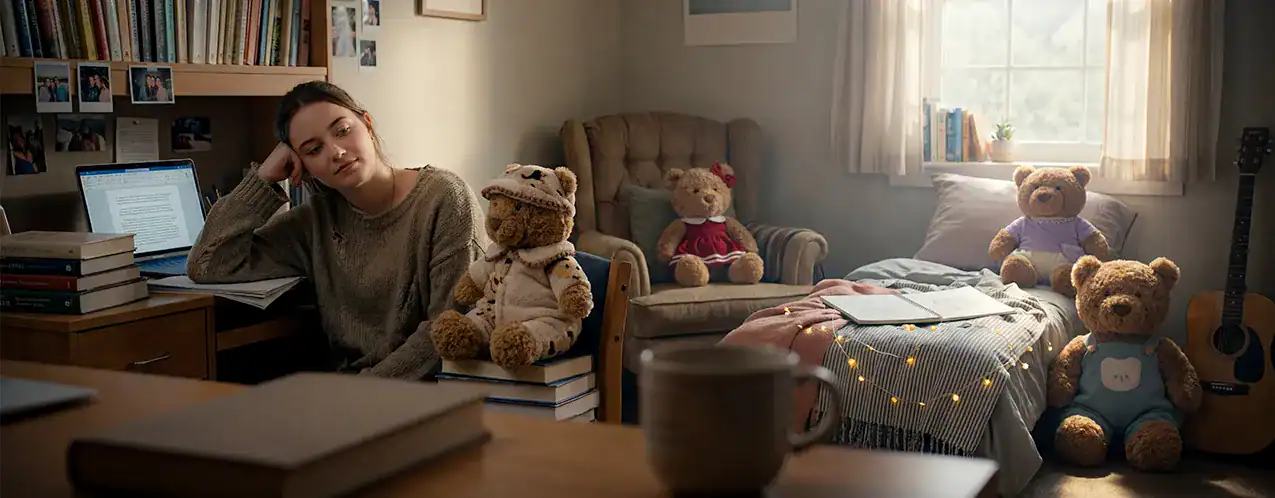
The need to use transitional objects, such as blankets and bears, that allow children to feel safe has long been debated by psychologists. Surprisingly, studies indicate that this need does not disappear automatically after the 18th year. To young professionals working their first job or university students who have moved into a dorm, a Jellycat is like a sense of continuity.
Even in a constantly shifting (new city, new work, new relationships) world, these plushies offer a tangible feeling of home. By making comfort objects socially acceptable for adults, Jellycat supports a generation seeking calm, reassurance, and emotional balance in everyday life.
The Ultimate Gift Guide: Choosing the Right Jellycat for Every Milestone
Jellycats are not all the same, and one of the brand’s greatest strengths is that there’s a personality to suit every occasion. In case you are reading A Flying Wish with a wish to give a nice present, the way you can associate the plush with the moment is:
- For the students: A shrewd crane or a tube of funny stationery to help him or her make the best during finals.
- To the Foodie: Croissants to the sushi roll, these are weird yet funny housewarming gifts on a new apartment.
- For the Nature Lover: The Garden or Woodland collections a person can take a touch of the outdoors into their home and enjoy a breath of fresh air.
- For the Soulmate: A classic Bashful Bunny, it is the gold standard in terms of the feelings of I am thinking of you.
Cultural Shifts: The Rise of “Kidulting” and Self-Care
The plushie boom has been accompanied by a wider cultural trend of no longer thinking of toys as a kid-oriented product, to a new idea called kidulting. This expresses the truth that being an adult does not mean one has to lose happiness, fun, and comfort. Given that the conventional indicators of adulthood (such as moving in or earning money) are being pushed further and further, teens and young adults are making their comforts and leisure their way.
Plush toys are now socially accepted comfort items to adults and older teens in search of emotional sustenance with well-known happy objects. The popularity of social media content on websites and apps such as TikTok has contributed to the normalization of this behaviour lacking previous stigma about adults owning plushies or showing their collections on social media. This cultural shift coincides with growing awareness of mental health. Teens and young adults are now more open about emotional stress, self-care, and coping strategies, and Jellycats provide a tangible form of emotional support that fits perfectly with this mindset.
The Role of Limited Releases and Collectibility
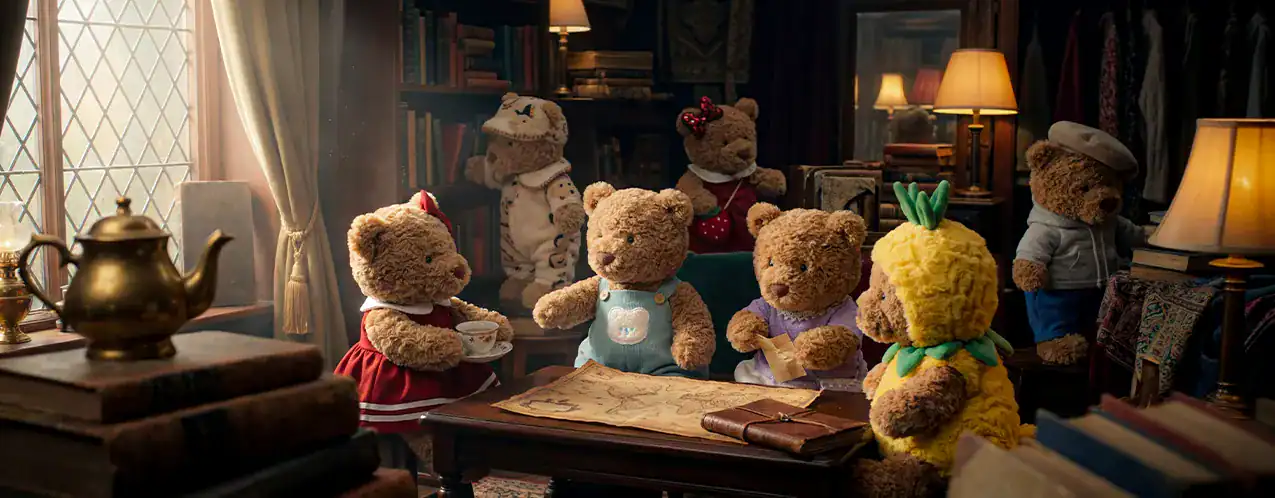
Another smart strategy Jellycat employs is the psychology of collectibility, a concept familiar in fashion and sneaker culture, but uniquely adapted to the plush toy market. The brand implements new designs every now and then under limited edition and discards older models, which generates a sense of scarcity and urgency among fans.
This strategy appeals to the collector instinct of rare work being highly valued and even developing a secondary market value. In the case of teens and young adults, the excitement of locating or gathering a Jellycat of any product that is difficult to acquire be it a themed plush or a limited issue, becomes part of the fun. You can see this in communities where fans hunt for rare Jellycats, trade them, or display their collections online, turning a personal purchase into a shared social experience.
Social Media as a Catalyst
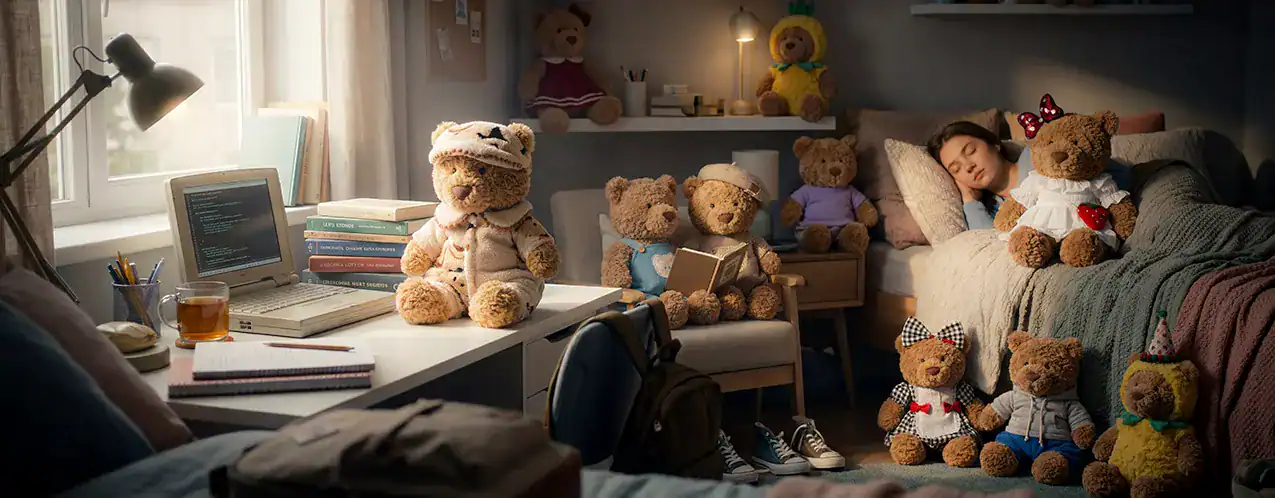
Social media has been central in driving Jellycat plushies to the mainstream mindset, particularly among the youth. As for plushie collections, unboxing videos, decor inspiration, tales of emotional comfort, and other user-generated content can be found on such platforms as TikTok and Instagram.
This style of visual culture makes Jellycat more attractive: the sight of a friend, an influencer, or a peer holding a plushie makes it seem relevant and relatable, and appealing. Trends that involve Jellycats tend to involve hashtags, challenges, or artistic displays that allow the plushies to be considered a part of their lifestyle and not just toys. This content is viral in nature, hence the youth audiences are bombarded continuously with new trends on how to enjoy these plushies, whether in an aesthetic bedroom layout, as comforting study companions that stimulate that yearning and discourse around them.
Plushies in Real Life: Beyond Online Trends
Nowadays, Jellycat plushies are increasingly seen in public spaces, beyond the home. Young adults and teens carry small plushies to school, college, and other public places, where they serve as comforting companions. Many people describe them as pet-like, familiar, soothing, and non-judgmental, but without the responsibilities of a living creature. Being in possession of a Jellycat may be an unspoken cue, a reassurance of safety, warmth, and a form of emotional anchoring at times when they are in a stressful or a strange setting.
Jellycat Plushies as Meaningful Gifts
Due to this peculiar combination of affective comfort and self-expression, Jellycat plushies have become significant presents to the teens and younger adults as well. The plushies will be an expression of loving sentiment, thinking of care, support, and emotional attachment, instead of mere formality, unlike usual toy gifts. The growing popularity of Jellycats in UK and US gift markets reflects how people increasingly value heartfelt, comforting gifts that go beyond materialism. Whether given as birthday presents, rewards at work or school, or simply “just because,” Jellycats are celebrated as expressions of friendship, care, and emotional support.
Where Jellycats Fit Today’s Lifestyle
In modern lifestyle cultures, Jellycats have carved out a niche that blends:
- Emotional comfort and self-care
- Aesthetic expression
- Community and social sharing
- Collectibility and personal meaning
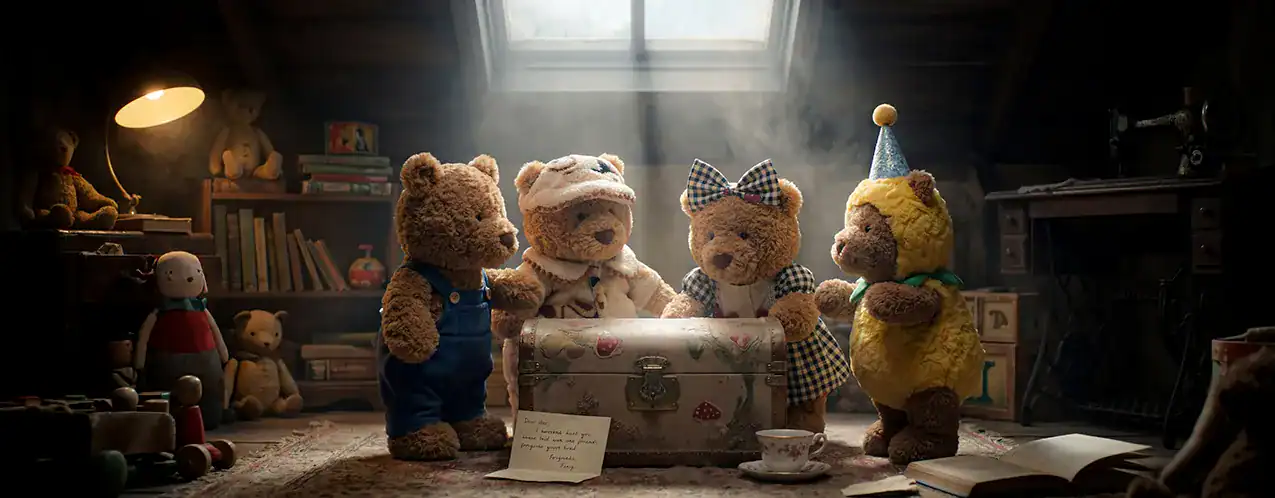
This multifaceted appeal explains why teens and young adult groups that value emotional authenticity and personal identity resonate so deeply with these plush companions. What began as soft toys for children has evolved into cultural icons that reflect broader shifts in how young people seek comfort, express themselves, and connect with others.
Final Thoughts: Soft Toys with Real Emotional Impact
Jellycat plushies have grown far beyond their original audience and are now hugely popular among teens and young adults in the United States and the UK. For many people, they offer comfort and emotional support, act as a form of self-expression, and even help spark social connections. They’ve also played a key role in breaking old stereotypes, showing that collecting plush toys as an adult is completely normal and widely accepted. Whether displayed in a dorm room, carried in a backpack, or given as a gift. Jellycats have become essential companions, serving both practical purpose and emotional comfort in a way few toys have before.
When the soul desires comfort gifts with a personal touch to the heart and personality, besides appearance, Jellycat plushies are a golden case of how a carefully designed, emotionally touching, and culturally aware item can become more than a toy in modern life.